
Small Industrial Units in Columbia, SC: What's Available Under 3,000 SF
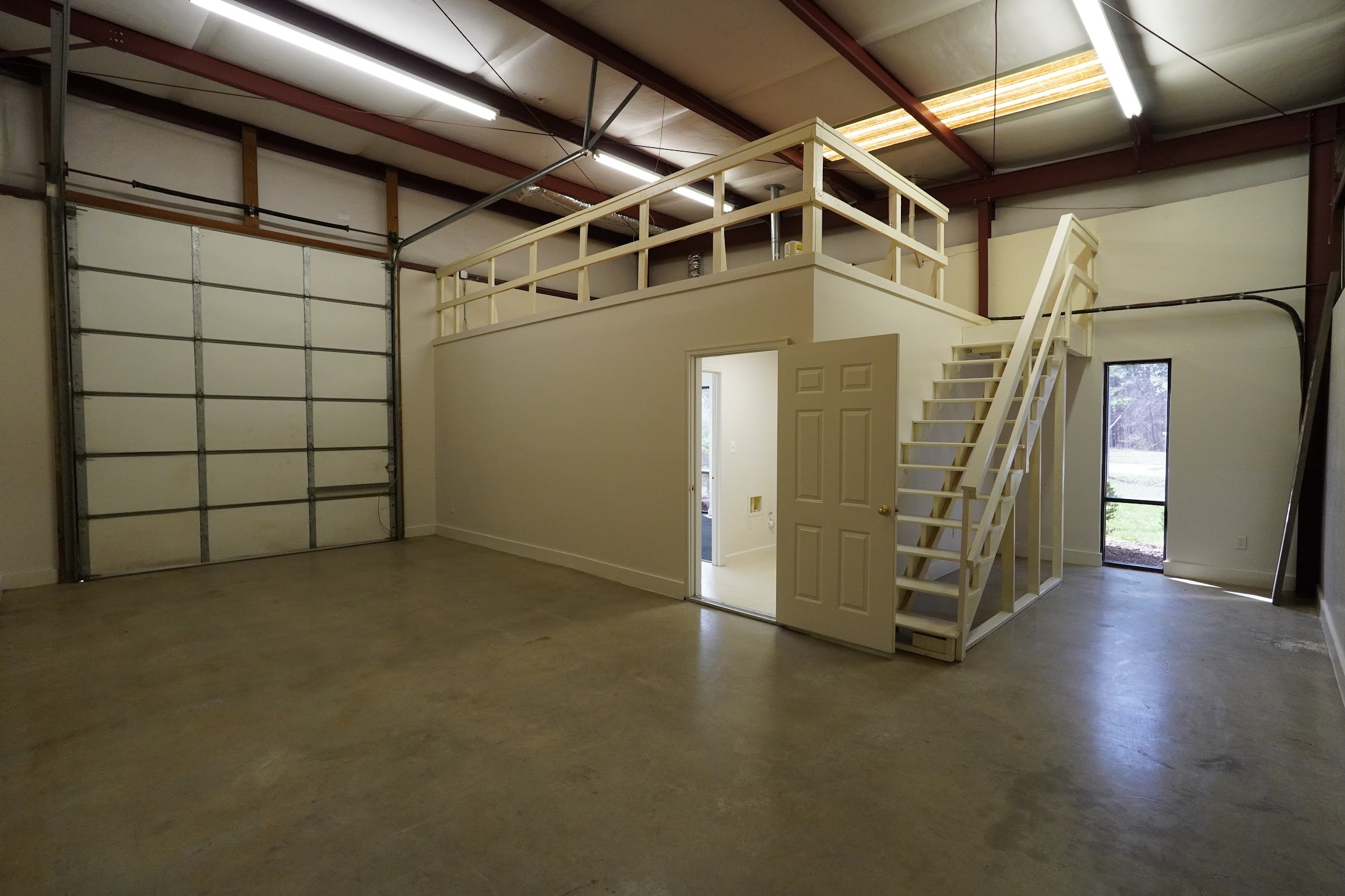
Columbia’s industrial market has a gap. New construction is all 50,000 to 150,000 square foot spec buildings designed for 3PL companies and major logistics operators. Meanwhile, thousands of small businesses need 1,000 to 3,000 square feet and can’t find it without digging.
The gap exists because small buildings don’t attract major developers. But it also means opportunity. Small tenants actually have options if you know where to look.
The Gap Explained
Over the past three years, Columbia’s seen record industrial deliveries. But almost all of it is big-box buildings on I-20 East and I-77 North. These are 50,000 to 100,000 SF+ spec buildings built for tenants with serious square footage needs.
That’s good for large distributors and logistics companies. It’s bad for small businesses.
A contractor needing 2,000 SF, a small e-commerce seller needing 1,500 SF, a service company needing 2,500 SF with office space, they’re all competing for scraps. Multi-tenant flex parks built fifteen years ago. Converted office buildings. Older industrial parks with vacancy. There’s supply, but it’s scattered and not marketed the same way big buildings are.
Developers don’t build 2,000 SF flex parks anymore. They’re not profitable. But older buildings fill that role. That’s where small businesses find space.
Where Small Units Actually Are
Multi-tenant flex parks:
These are purpose-built buildings from the 1990s and 2000s with multiple small bays (1,500 to 3,500 SF each). They’re in West Columbia, Cayce, and scattered around central Columbia.
Characteristics:
- Clean, organized parks
- 100 to 200 amp electrical
- Drive-in doors standard
- Month-to-month or short-term leases common
- Owner is often on-site managing the building
Rent: $12 to $16 per square foot
These buildings are the backbone of small tenant supply in Columbia. They’re not pretty, but they work. Many are owner-operated, which means flexible landlords who understand small business.
Converted office buildings:
Older office buildings downtown or near downtown have been converted to industrial/flex use. Second floors of old commercial buildings. Ground floors of former retail.
Characteristics:
- Mixed space: office corner plus warehouse area
- Sometimes odd configurations (office designed building converted to warehouse)
- Loading situations vary (some have drive-in, some have back alley access)
- Often walkable to downtown services
- Rents vary widely depending on location and condition
Rent: $12 to $18 per square foot depending on location
These are hit or miss. Some are excellent conversions. Some are compromises where office buildings weren’t meant for warehouse use. Tour carefully.
Older industrial parks:
Scattered around central Columbia are industrial parks built in the 1970s and 1980s. Mostly full of long-term tenants, but spaces turn over. Vacancy exists but isn’t always marketed.
Characteristics:
- Oldest buildings and infrastructure
- Lowest rents
- Parking often limited
- Loading situations tight (designs from before modern trucks)
- Landlords sometimes less sophisticated about marketing
Rent: $10 to $14 per square foot
These are pure cost-focused plays. Cheapest option in Columbia. Operational friction is real, but cost savings are substantial.
New I-20 East flex space:
Newer multi-tenant flex parks going up on I-20 East are starting to include smaller units (1,500 to 3,000 SF) as secondary tenants in larger buildings.
Characteristics:
- Modern infrastructure
- Good loading and electrical
- Professional management
- Clean facilities
- Newer generation of flex parks designed with smaller tenants in mind
Rent: $16 to $20 per square foot
These are the premium small-unit option. Cost is higher, but facility quality is much better than older parks.
Size Guide: What Different Sizes Actually Look Like
1,000 SF: A solo operation with basic equipment and minimal inventory. Contractor with one truck and a small tool storage. E-commerce seller with light inventory. Very tight for a team.
Feels like: A large garage. Open space with a small office corner. You walk from one end to the other in seconds.
1,500 SF: A two-person operation with some equipment and storage. Contractor with one or two trucks and moderate inventory. Service company with field staging. Cleaner than 1,000 SF but still compact.
Feels like: Garage with room to breathe. You can stage operations and organize materials. Two crew members don’t bump into each other.
2,000 SF: The sweet spot for many small businesses. Contractor with two trucks and full tool/equipment storage. Small service team with staging and organization. E-commerce seller with decent inventory. Small 3PL operation.
Feels like: A real warehouse with office corner. You’ve got room for organized staging, storage, parking in the lot, and crew work space. Office is separate from warehouse operations.
2,500 SF: Small team (3-5 people) with serious operations. Crew of contractors with multiple vehicles. Service company with field operations and decent inventory. E-commerce fulfillment with multiple staff. Small manufacturing.
Feels like: A proper business facility. Office is comfortable, warehouse is organized, parking is abundant. You’re not cramped. Growth room exists.
3,000 SF: Larger operation or growth-focused business. Team of 5 to 10. Contractor company with multiple crews. Logistics operation with serious throughput. Small manufacturing with dedicated spaces.
Feels like: A business that looks established. Office is professional, warehouse is organized, crew space is adequate. You’ve got breathing room.
Finding Small Units
Since small space isn’t marketed like big buildings, you have to look harder.
Online search: CoStar, LoopNet, Google Commercial Real Estate. Search for “industrial” and “Columbia SC” and filter by size under 5,000 SF. Adjust your search radius.
Local brokers: Call commercial real estate brokers in Columbia. Ask specifically about small space (under 3,000 SF). Many brokers focus on big buildings but have small listings from owner-operators. They’ll email you availabilit when something turns over.
Drive around: I-20 East, I-77 North, West Columbia, Cayce, Lugoff. You’ll see small flex buildings with “For Lease” signs. Most don’t have aggressive marketing but landlords are happy if you show up.
Facebook and Craigslist: Smaller landlords sometimes list directly. Quality varies, but deals exist.
Networking: Ask contractors, service companies, other small business owners where they leased. Word of mouth is how most small businesses find small space.
What to Expect in Each Type
Multi-tenant flex park:
- Clean enough, professional management
- Landlord understands small business and lease flexibility
- Space available within weeks of signing LOI
- Drive-in doors, basic electrical, open space
- Rents negotiable if you commit to one year
Converted office building:
- Tour carefully. Loading and operations might be awkward
- Parking might be shared or limited
- Shorter walk to downtown services
- Office/warehouse mix sometimes unbalanced
- Landlords sometimes less experienced with industrial tenants
Older industrial park:
- Cheapest option, roughest facilities
- Tight aprons, older electrical, tighter doors
- Landlords sometimes less responsive
- Loading can be problematic
- Right choice only if cost is the absolute priority
New I-20 East flex:
- Modern facility, responsive landlord
- Good infrastructure, professional operation
- More expensive than West Columbia
- Space leases fast; less vacancy
- Worth the premium if you want friction-free operations
The Real Answer
If you need under 3,000 SF in Columbia, you’re choosing between cost and modernity.
Go West Columbia or Cayce if your margin is tight. You’ll pay 30 to 40 percent less on rent and lease flexibility is high. Loading and electricity are tighter, but adequate for most operations.
Go I-20 East new flex if you want modern space without the Charlotte or premium premium prices. You’re paying more than West Columbia but less than I-77 North or other major markets.
Start by defining your budget. Then look for available space in the category that fits.
Check what’s available in Columbia under 3,000 SF right now. Available inventory changes weekly. If something fits, move fast.
For more on sizing your first warehouse space, read our complete guide to leasing your first warehouse in Columbia.
Learn more about available spaces across the Carolinas at Get Flex Space.
Additional Resources
FAQ
Why don’t developers build more small flex buildings if there’s demand? Developers need 30 to 40 percent returns on their capital. Small buildings with 15 to 20 unit spaces generate lower returns per dollar invested than one large 50,000 SF building. The math doesn’t work for new development. That’s why small space is scarce. It’s economically rational on the developer side, but bad for small tenants.
Can I negotiate down the rent if I’m signing a longer lease on a small unit? Yes. Small landlords especially will negotiate. If you’re committing to three years instead of one year on a 2,000 SF unit, you might drop from $14/SF to $13/SF. That’s $2,000 per year savings. Worth negotiating.
What happens if I outgrow my small unit in 18 months? You have a few options. Renegotiate with your landlord to expand into a neighboring bay (if available). Move to a bigger unit (plan for 4-8 weeks). Or sublet your current space and move. Plan for the move if you’re growing fast. Don’t commit to a five-year lease if you’re scaling aggressively.